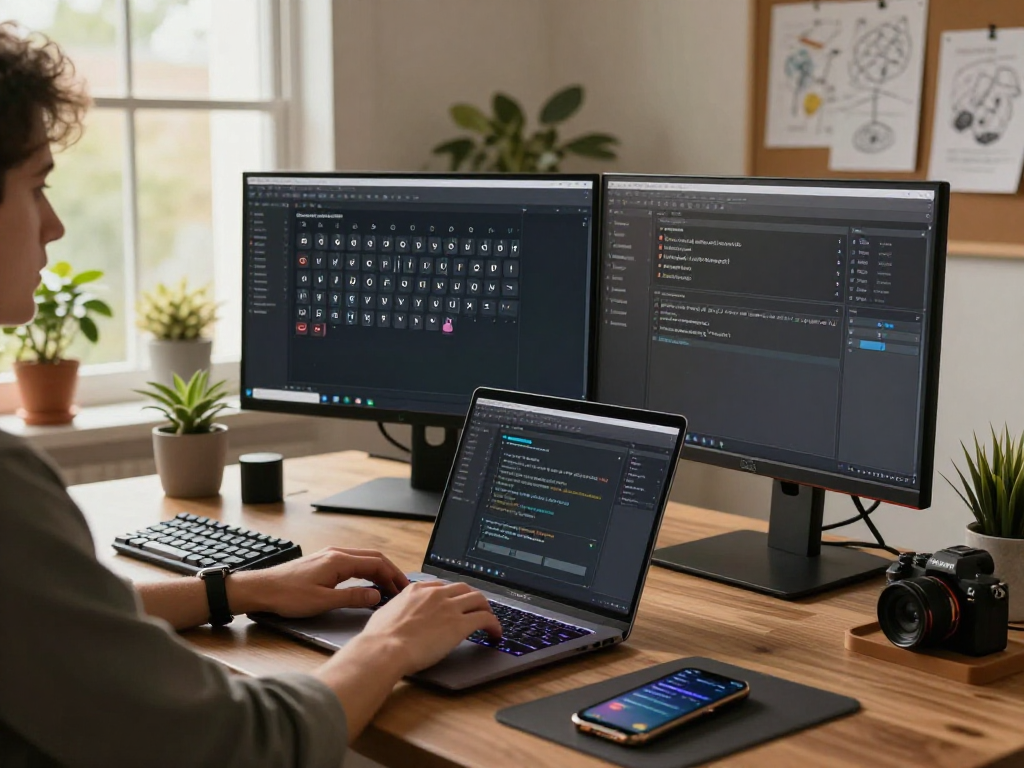
Understanding the Sogou Pinyin Input Method
The Sogou Pinyin Input Method is a powerful tool that has transformed the way users engage with Chinese characters. From casual text messaging to professional document creation, this input method is designed to enhance the typing experience through its fast and intuitive interface. With the ability to support various input styles such as full pinyin, simple pinyin, and mixed pinyin, users can select the method that suits their needs best. When exploring options, 搜狗拼音输入法官网 provides comprehensive insights into its features, ensuring that users can fully leverage its capabilities for an optimal typing experience.
What is Sogou Pinyin Input Method?
Sogou Pinyin Input Method is one of the most popular Chinese input software applications available, gaining significant traction among users due to its responsive nature and extensive vocabulary database. Developed by Sogou, a Chinese technology company, this software allows users to input Chinese characters efficiently by typing in pinyin, the romanization system for Chinese. The software will then suggest characters based on the pinyin the user enters, making it easier to type quickly without having to remember the exact characters.
Key Features of the Sogou Pinyin Input Method
- Fast Typing Response: The system is designed to provide quick responses as users type, which minimizes interruption and allows for a natural typing rhythm.
- Rich Vocabulary Coverage: Sogou Pinyin offers an extensive word bank that includes daily expressions, industry jargon, and names of people and places, adapting to diverse typing scenarios.
- User-friendly Installation Process: Installing Sogou Pinyin is straightforward, with clear instructions and easy-to-find settings for common adjustments post-installation.
- Practical Utilities: Includes features like long sentence prediction, personal vocabulary management, and a symbol panel for quick insertion of punctuation and special characters.
How to Install and Set Up Sogou Pinyin
Setting up Sogou Pinyin Input Method is a hassle-free process. After downloading the installation package, simply double-click to run the installer. Users can choose the installation directory or continue with the default settings. Once installed, the input method can be activated via the system’s input bar or through the Sogou settings center where users can customize the candidate bar and preferences according to their typing habits.
Common Mistakes When Using Sogou Pinyin
While Sogou Pinyin is user-friendly, some users may overlook certain features that enhance their typing experience. Understanding these common mistakes can help users optimize their use of the software and avoid frustration.
Ignoring Personal Vocabulary Customization
One common mistake is neglecting to customize the personal vocabulary. Users frequently type specific industry terms or phrases that might not be recognized by the default dictionary. By adding these terms to their personal vocabulary, users can ensure more accurate candidate suggestions in the future.
Neglecting Regular Updates for Accuracy
Another frequent oversight is failing to regularly update the software. Sogou Pinyin is continually improved based on user feedback and language trends. Regular updates can significantly enhance the accuracy of word predictions and overall typing efficiency.
Forgetting to Utilize Advanced Input Features
Sogou Pinyin offers advanced features such as long sentence prediction and handwriting recognition. Users often miss out on these functionalities, which can greatly speed up their typing and improve the input experience, particularly when dealing with complex phrases or unfamiliar characters.
Optimizing Your Typing Experience with Sogou Pinyin
To make the most of the Sogou Pinyin Input Method, users can take advantage of various features designed to enhance their typing experience. From personalized settings to advanced input techniques, these optimizations can help users maximize their efficiency.
Enhancing Candidate Word Selection
The candidate word selection process can be tailored to the user's familiarity with certain words or phrases. By continuously using the input method, users can train the software to prioritize their commonly used terms, reducing the time spent scrolling through candidates that are less relevant.
Utilizing Long Sentence Prediction
Long sentence prediction allows users to input longer phrases seamlessly. This is particularly useful in professional contexts where formal language is often required. Activating this feature can significantly streamline the typing process, allowing users to maintain their flow without interruptions.
Setting Up Handwriting Recognition Efficiently
For characters that are difficult to type using pinyin, the handwriting recognition feature can be a lifesaver. Users can set this up to quickly switch between handwriting and typing, allowing for more flexibility in situations where they encounter rare or complex characters.
Troubleshooting Issues with Sogou Pinyin
Despite its robust design, users may experience issues when using Sogou Pinyin. Knowing how to troubleshoot these problems can save time and ensure a smoother user experience.
Dealing with Inaccurate Candidate Suggestions
Inaccurate candidate suggestions can be frustrating. Users should check their input habits and the state of their personal vocabulary. Cleaning up erroneous entries and updating the frequently used words list can enhance accuracy.
Addressing Language Switching Problems
Language switching issues may arise if users cannot toggle between Chinese and English. Ensuring that the input method is properly added to the system settings is crucial. If problems persist, restarting the input method or the system can often resolve the issue.
Cleaning Up Your Personal Vocabulary Effectively
To maintain an effective input method, users should regularly manage their personal vocabulary. This can involve deleting outdated terms and adding new ones to reflect current usage, ensuring that the suggestions remain relevant and accurate.
Future Trends for Input Methods in 2026
As technology continues to evolve, so do the capabilities of input methods like Sogou Pinyin. Looking ahead to 2026, several trends will shape how we interact with language input technology.
AI Integration in Input Methods
Artificial intelligence will play a significant role in enhancing input methods. Intelligent predictive text features will become more accurate, adapting in real-time to user habits and contextual usage patterns, making for an even more seamless typing experience.
Improving User Interfaces for Better Accessibility
Future iterations of input methods are likely to focus on user interface improvements to cater to a wider range of users, including those with disabilities. Enhanced accessibility features will ensure that everyone can use the software effectively.
Predictions for Multilingual Input Support
As globalization continues, there will be an increasing demand for multilingual input support in Sogou. This will enable users to switch between different languages effortlessly, making it ideal for those who work in diverse linguistic environments.
How to Import and Export Your Vocabulary Easily?
The ability to import and export vocabulary is crucial for users who frequently change devices or need to back up their personal settings. Sogou Pinyin facilitates this process through its settings, allowing users to manage their data easily across platforms.
What Can You Do If the Candidate Words Are Not Matching?
If the candidate words suggested do not match user input, an analysis of the user's typing patterns may be necessary. Adapting the personal vocabulary and ensuring proper configuration will enhance the software's learning capabilities over time.
How to Customize Skin and Candidate Bar in Sogou?
Customizing the skin and candidate bar helps users personalize their typing environment. Sogou Pinyin allows users to adjust settings such as color, font size, and layout to make the input experience more comfortable and visually appealing.